How to Build a Welded Wire Mesh Fence?
Do you need a strong and durable fence for your yard or farm? Are you looking for a project you can do yourself? Building a **welded wire mesh fence** is a great choice!
A **welded wire mesh fence** is a reliable option for many needs. It is strong. It keeps pets in and unwanted animals out. It also defines boundaries clearly. I will walk you through the steps. We will cover everything from planning to putting up the final mesh. With these instructions, you can build a sturdy fence. You will be proud of your work. Let's get started on your new fence!
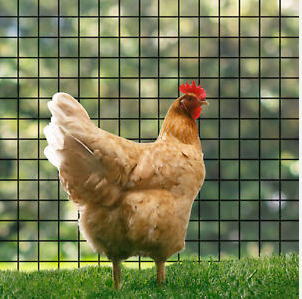
Dive Deeper: Planning Your Welded Wire Mesh Fence
Before we start digging, good planning is super important. This step saves you time and problems later.
First, decide on the purpose of your fence. What do you want it to do? Is it to keep small pets in? Then you need fine **welded wire mesh sizes**. Is it to keep larger animals out? Then you need stronger, heavier gauge mesh. Is it for security? Then you need very robust mesh. The purpose will guide your material choices. It will also help you choose the right height for your **welded wire mesh fence**.
Next, measure your area. Use a tape measure to mark out the fence line. Measure the total length of the fence. This tells you how much **welded wire mesh** you need. It also tells you how many fence posts you will need. Plan for a post every 6 to 8 feet. Corner posts and gate posts need to be stronger. Mark these spots clearly. Use stakes and string to show where the fence will go. This helps you visualize the fence. It also helps you spot any obstacles.
Then, choose your **welded wire mesh material**. This is a big decision. Most fences use **galvanized welded wire mesh fence**. This mesh has a zinc coating. It protects the steel from rust. It makes the fence last for many years outdoors. You can also get **coated welded wire mesh**. This has a plastic layer over the galvanization. It adds more protection. It also comes in colors. **Black welded wire mesh fence** is a popular choice. It looks good and blends in. If you live near saltwater or in a very wet place, you might consider **stainless steel welded wire mesh**. It is more expensive. But it offers the best rust resistance.
Decide on the mesh type. Will you use **welded wire mesh rolls** or **welded wire mesh panels**? Rolls are good for long, straight runs. They are more flexible. Panels are rigid sheets. They are great for shorter sections or where you need a very flat, sturdy fence. Panels might be easier to install in some situations.
Finally, gather all your tools and materials. You will need fence posts. These can be wood or metal. You will need concrete for the posts. You will need a post-hole digger. You will need wire cutters. You will need fence staples or ties. You will also need safety gear. This includes gloves and eye protection. Having everything ready makes the building process smooth.
Dive Deeper: Setting the Fence Posts
Setting the posts correctly is the most important step for a strong fence. The posts hold up the whole fence.
First, dig the post holes. Use your post-hole digger. Make the holes deep enough. About one-third of the post should be underground. For example, if you have an 8-foot post, dig a 2.5 to 3-foot deep hole. Make the holes wide enough too. This allows room for concrete. For standard line posts, a 6-inch diameter hole is usually good. For corner posts and gate posts, make the holes wider and deeper. These posts take more strain.
Next, place the posts in the holes. Start with the corner posts. These are your anchors. Make sure they are perfectly straight. Use a level to check this. Then, set your line posts. Keep them straight and in line with each other. Use your string line as a guide. The top of all posts should be at the same height. This makes for a neat-looking fence.
Now, mix your concrete. Follow the instructions on the concrete bag. You want a mix that is not too wet, not too dry. It should be like thick oatmeal. Pour the concrete into the post holes. Fill them up to ground level. As you pour, check the post again with your level. Make any small adjustments. The concrete will hold the post firmly. Slope the top of the concrete away from the post. This helps water run off. It stops water from pooling around the post. This protects the wood or metal.
Let the concrete cure. This is very important. Do not put any tension on the posts until the concrete is fully set. This usually takes 24 to 48 hours. Sometimes it takes longer in cold weather. Read the concrete bag for exact curing times. Rushing this step can lead to a weak fence. A weak fence will lean or fall over easily. So, be patient.
Once the concrete is hard, your posts are ready. They are now strong anchors for your **welded wire mesh fence**. This foundation is critical for the fence's stability and longevity. Make sure all posts are firm. Try pushing them. If they wobble, they are not set properly. You might need to add more concrete or re-set them.
Dive Deeper: Attaching the Welded Wire Mesh
Now comes the exciting part: attaching the **welded wire mesh** to your posts. This is where your fence starts to take shape.
Start at a corner post. This is your first anchor point. Unroll a section of your **welded wire mesh rolls**. Or, take your first **welded wire mesh panel**. Attach the mesh securely to the corner post. Use fence staples for wooden posts. Use wire ties or special clips for metal posts. Start at the top. Then work your way down. Make sure the mesh is straight and even. Do not pull it too tight yet. Just get it firmly attached at the corner.
Work your way along the fence line to the next post. For **welded wire mesh rolls**, unroll enough mesh to reach the next post. For panels, simply align the next panel. Pull the mesh taut as you go. You want it tight. But do not overstretch it. A fence stretcher tool can help with this. If you do not have one, you can pull it by hand. Attach the mesh to each line post as you go. Use staples or ties. Space them every 6 to 12 inches vertically. This keeps the mesh from sagging. It also keeps it securely attached.
When you reach a corner, stop. Attach the mesh firmly to the corner post. Then, start a new roll or panel for the next section. Overlap the mesh slightly at corners if needed. This makes the corner stronger. For gates, you will need to cut the mesh carefully. Leave an opening for the gate frame. Attach the mesh to the gate posts firmly on either side of the opening.
If you are using **welded wire mesh panels**, the process is similar. Just position each panel between the posts. Attach them securely with clips or screws. Panels are often easier to get perfectly straight because they are rigid. This is especially true for a **black welded wire mesh fence** where aesthetics are important.
When installing **galvanized welded wire mesh fence**, be careful not to damage the coating. Scratches can expose the steel underneath. This can lead to rust. If you cut the mesh, the cut ends will be exposed. You can touch them up with a cold galvanizing spray. This gives them some protection. For **coated welded wire mesh**, any cuts should also be sealed. This prevents water from getting under the coating.
Finally, walk along your fence. Check all attachments. Make sure the mesh is tight and secure everywhere. Check for any loose spots. A properly tensioned **welded wire mesh fence** is strong and will last a long time.
Finishing Touches and Maintenance
You are almost done! Adding some finishing touches and knowing about maintenance will make your **welded wire mesh fence** last even longer.
After all the mesh is attached, take a look at your fence. Are there any loose wires? Trim any sharp edges or excess wire with your cutters. This makes the fence safer. It also makes it look neater. If you used **welded wire mesh rolls**, check for any spots where the mesh sags. You can sometimes tighten these areas by re-stapling or adding more ties. Ensure the bottom of the fence is close to the ground. This stops animals from digging under. You can bury the bottom edge slightly. Or you can add a small board along the bottom.
If you have a gate, install it now. Attach the hinges to one gate post. Attach the latch to the other gate post. Make sure the gate swings freely. Make sure it latches securely. A strong gate is important for the function of your **welded wire mesh fence**.
For long-term maintenance, regular checks are important. Walk your fence line once or twice a year. Look for any loose staples or ties. Re-secure them if needed. Look for any damaged sections of **welded wire mesh**. Small damaged areas can often be repaired. You can splice in a new piece of mesh. Or you can use strong wire to mend breaks.
If you have a **galvanized welded wire mesh fence**, look for rust spots. These usually appear if the coating gets scratched. Clean the rust off. Then apply a cold galvanizing paint or spray. This will protect the spot. For **coated welded wire mesh**, check for cracks or peeling in the coating. Repair these areas with appropriate paint. This protects the mesh underneath. This is especially important for **black welded wire mesh fence** to keep its uniform look.
Trim any vegetation that grows on your fence. Vines can pull down the mesh. They can also make it harder to inspect. Keep the area around the fence clear. This helps air circulate. It also prevents moisture buildup. This helps prevent rust and rot.
If your fence posts are wood, check them for rot or insect damage. Replace any damaged posts quickly. If your posts are metal, check them for rust. Sand any rust spots. Then paint them with a rust-inhibiting primer and paint.
By doing these simple checks and repairs, your **welded wire mesh fence** will stay strong and look good for many, many years. It is an investment, and taking care of it protects that investment.
Conclusion
Building a **welded wire mesh fence** is a rewarding project that gives you a durable and practical barrier. By carefully planning your fence, setting your posts firmly, attaching the **welded wire mesh** properly, and performing regular maintenance, you will create a long-lasting structure. Whether you choose **galvanized welded wire mesh**, **coated welded wire mesh**, or even **stainless steel welded wire mesh**, the right steps will ensure your fence stands strong. Enjoy your new **welded wire mesh fence**!


Comments
Post a Comment